Reviving Traditional Crafts: From Preserving Heritage to Developing Territories
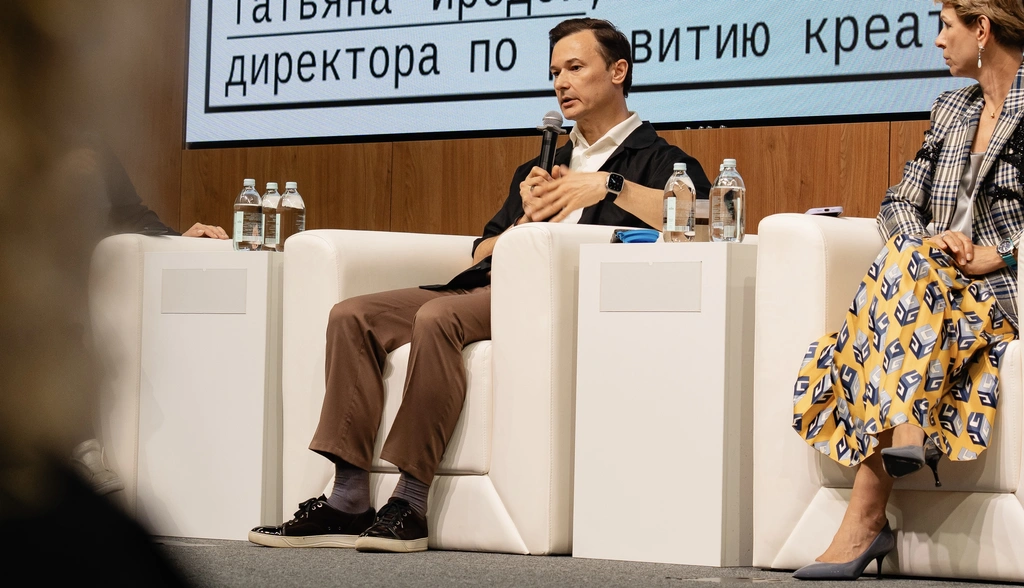
The revival of traditional crafts is important for the state, as they protect cultural identity, strengthen the economy through the development of tourism and small businesses, and pass unique traditional skills on to new generations. Today, experts consider the revival of traditional crafts a resource for the innovative development of tourism, culture and education, as well as for accumulating symbolic capital and creating a holistic and aesthetically shaped picture of the world.
But what do people whose work is directly connected with support measures have to say about this? Or representatives of particular traditional crafts and trades in Russia themselves? What about those who develop territories and local projects through this field? Why is this important for everyone? What is the value of such objects? Who is engaged in this work today? And why is it so challenging — what difficulties turn into long-term tasks, and how do factories, workshops, artists and craftspeople themselves address them?
Moderator: Alina Saprykina, Director of the Central Telegraph Museum, Advisor to the Rector of Central University
Participants:
Oleg Berkovich, Deputy Governor of the Nizhny Novgorod Region
Elena Litvinova, Member of the Board of Directors of the Association of Folk Arts and Crafts of Russia, Development Director of the Bashkir Porcelain Factory
Evgenia Gladkina, shareholder, Member of the Board of Directors of the Fedoskino factory, the oldest factory of lacquer miniature art
Pyotr Sivov, CEO of Gzhel — Art Workshops (Gzhel Association)
Vadim Dymov, entrepreneur, owner of the Dymov Ceramics factory in Suzdal
Schedule

