Program
Non-commercial art projectBooth: И08
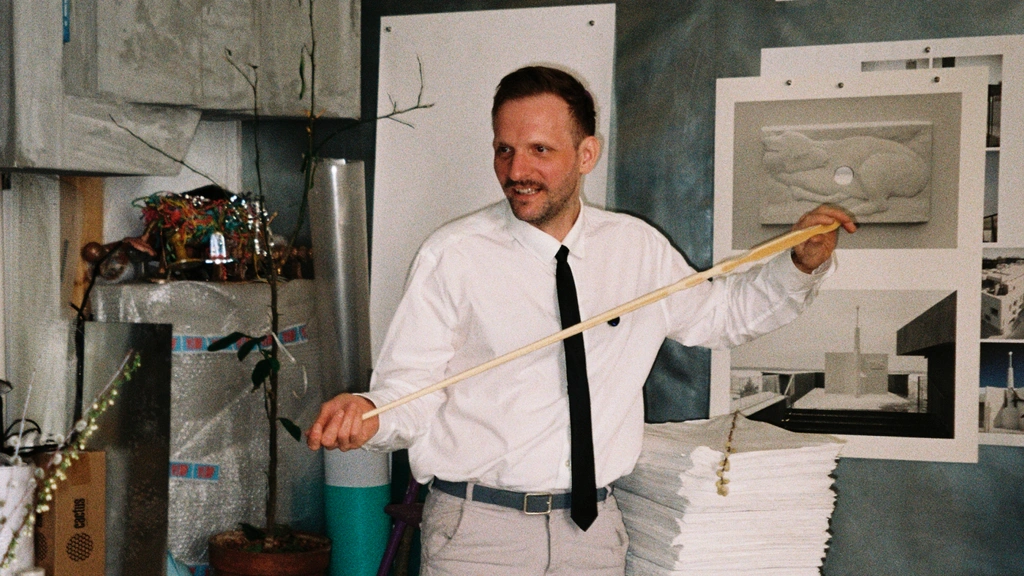
Igor SamoletIgor Samolet’s large-scale installation "Splash" will serve as a visual landmark for the fair—a nine-meter-tall "lighthouse" amidst the swift, shifting, and colorful waves of the fair’s crowd. The work consists of three parts and offers a symbolic representation of the life cycle of an artistic idea.
Read more 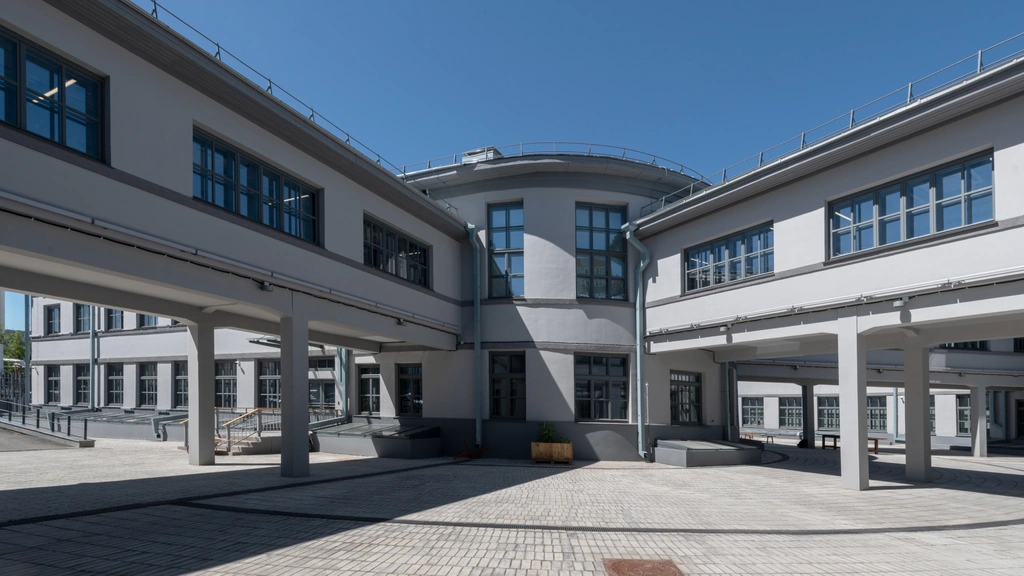
Non-commercial art projectBooth: Н05
Museum of the Year: Tretyakov Gallery’s Samara branchAt the Cosmoscow fair, the museum will present the “Common Kitchen” installation, imbued with the Samara artistic context. The installation inverts the familiar logic: everything is turned inside out, the private becomes public, and visitors find themselves fully engaged in the artistic expression and co-authors of a conversation about contemporary Russian culture.
Read more 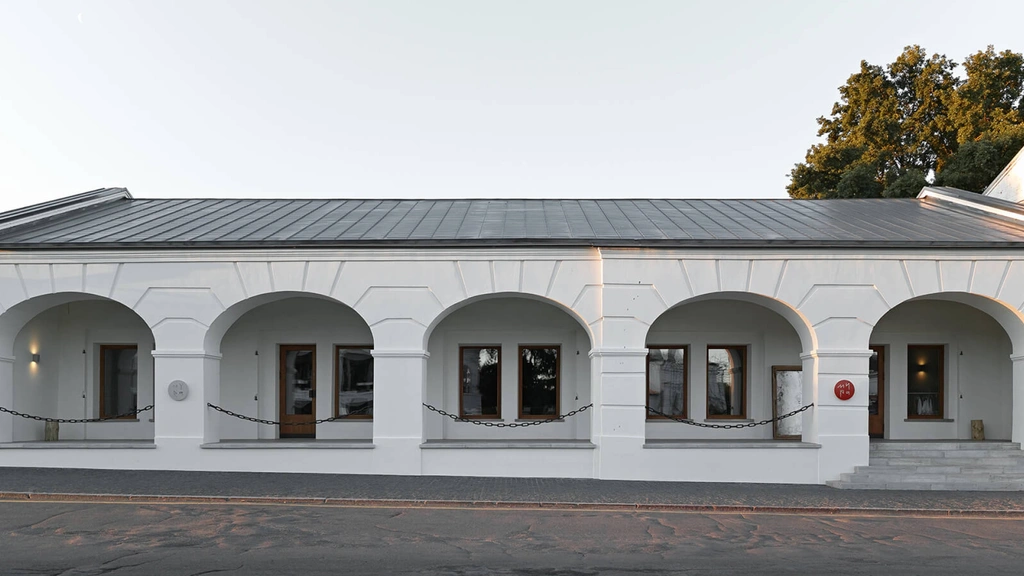
Non-commercial art projectBooth: Л03
Institution of the Year: MIRA Creative CommunityThe MIRA exhibition at Cosmoscow will offer a glimpse of the future museum in Suzdal, scheduled to open in the spring of 2027. The stand will bring together works from various eras and artistic practices, reflecting the collection’s diversity and its dialogue with theater, music, and contemporary art.
Read more 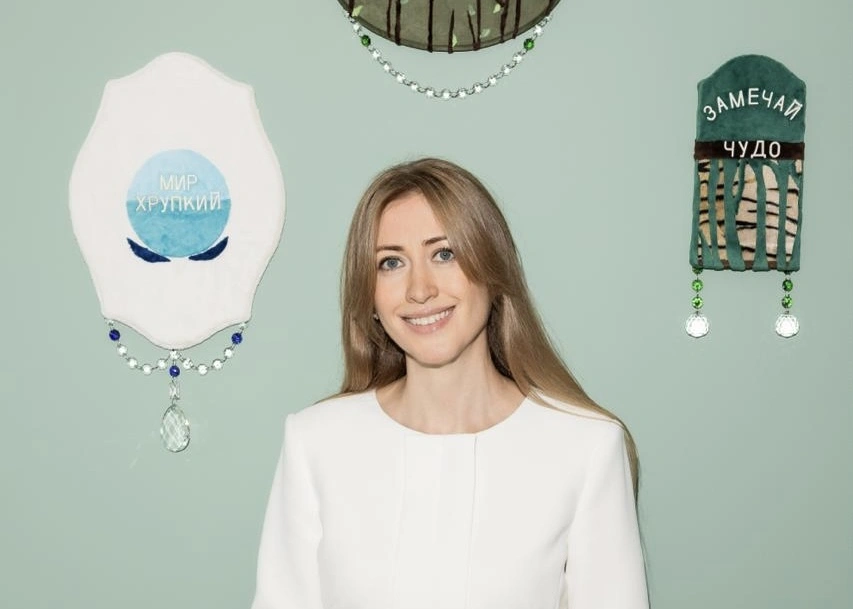
Non-commercial art project
Collector’s Eye exhibitionThe stand will showcase the art collection of Zoya Galeeva, the winner of the Collector of the Year award, established by the Cosmoscow Foundation in 2025. This initiative aims to promote collecting to develop the Russian contemporary art industry, as well as to create opportunities and favorable conditions for recognizing personal contributions to the art market.
Read more 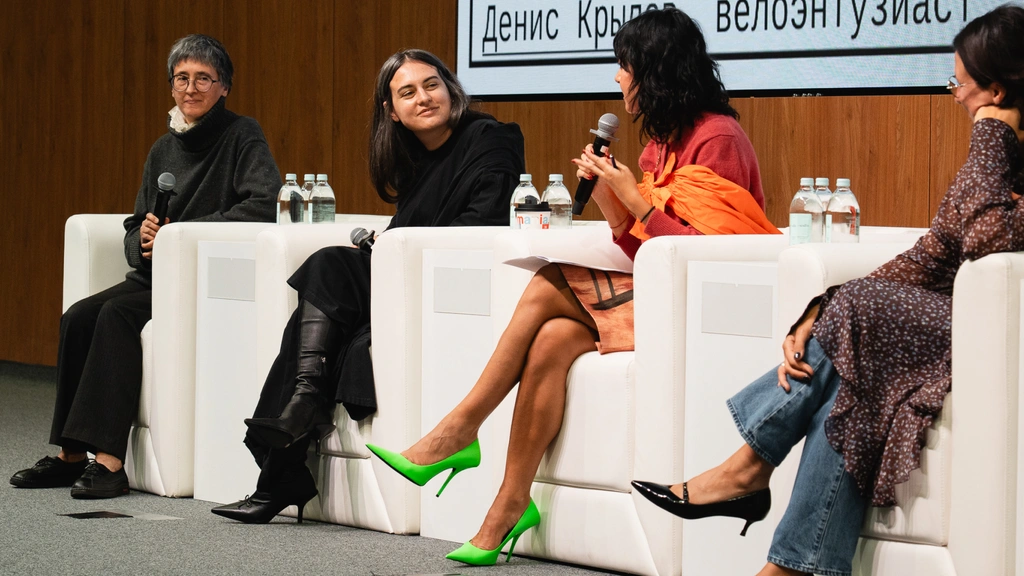
Lecture Series
From Craftspeople to Artists: Mentorship Practices, the Boundaries of Creative Experimentation, and Market Demands04 September 2026 15:00 - 16:00
The discussion will explore different ways in which craft can evolve into authorial art, as well as pathways for craftspeople to enter the art market. Participants will discuss mentorship and curatorial strategies, the preservation of established traditions alongside radical creative experimentation, and the demands that today’s market places on artists.
Read more 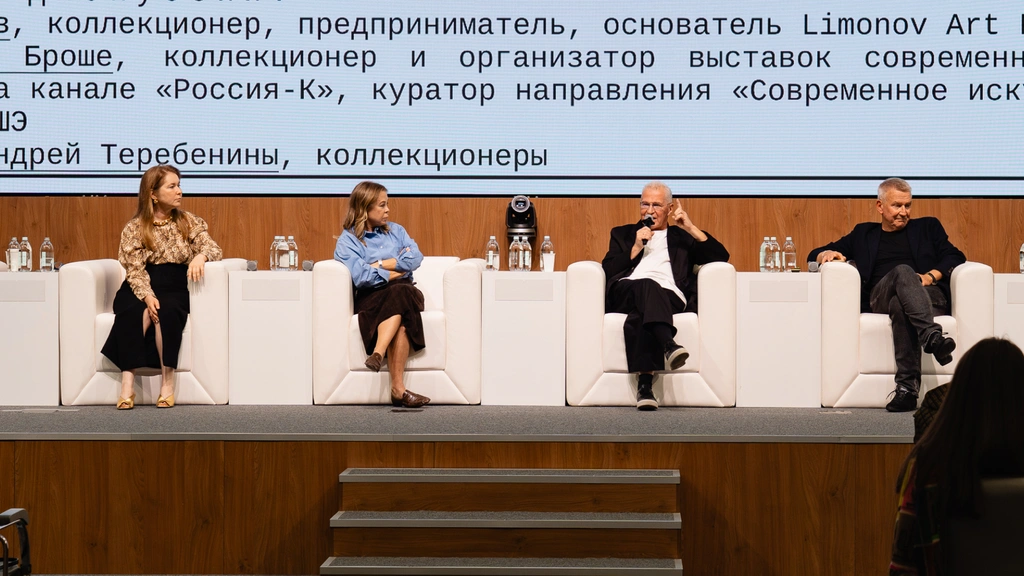
Lecture Series
Decolonizing Craft: Local Contexts on the Global Art Scene04 September 2026 16:30 - 17:30
In recent years, international biennials and art fairs have increasingly presented examples of translating regional cultural codes and craft traditions into the international language of contemporary art. The discussion will explore how to avoid exoticization in this process and turn working with craft into a method of in-depth research.
Read more 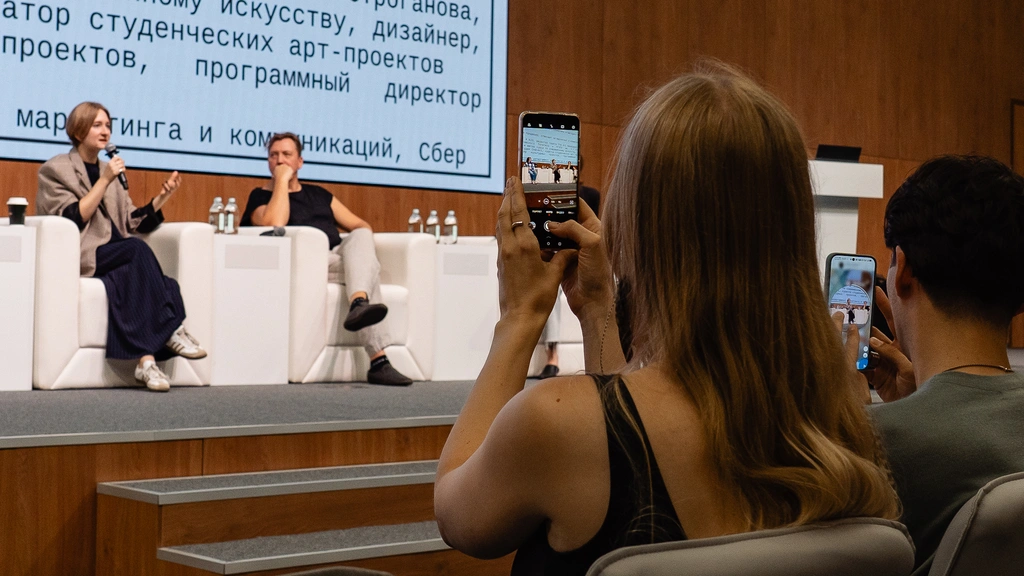
Lecture Series
Russian Style: Crossing the Line?04 September 2026 18:00 - 19:00
The growing interest in the restoration of architectural heritage, the revival of traditional crafts and folk arts, the search for national identity, and the much-discussed cultural code of Russia’s ancient cities calls for unconventional approaches. Practitioners from different fields will discuss how to strike a balance between the authenticity of the original, stylization, and contemporary reinterpretation.
Read more 
Non-commercial art project
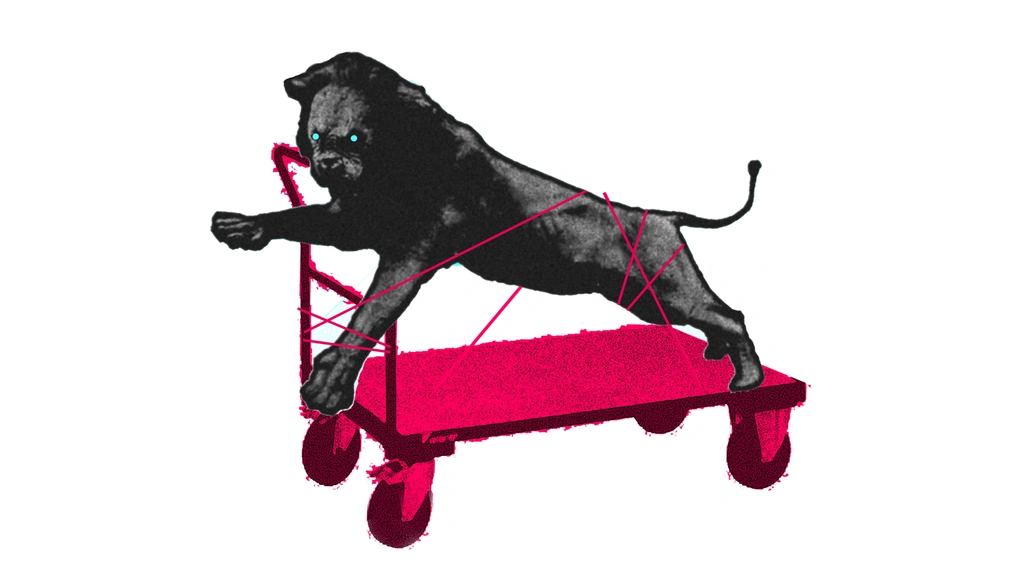
Limonov Art FoundationAt the fair, the foundation will present Zverinets (The Menagerie), a project by Vladimir Kopeikin, a young rising star of the Russian art scene. Open to the viewer's presence, the installation will combine a stained-glass exhibition with a sculptural group depicting animals.
Read more 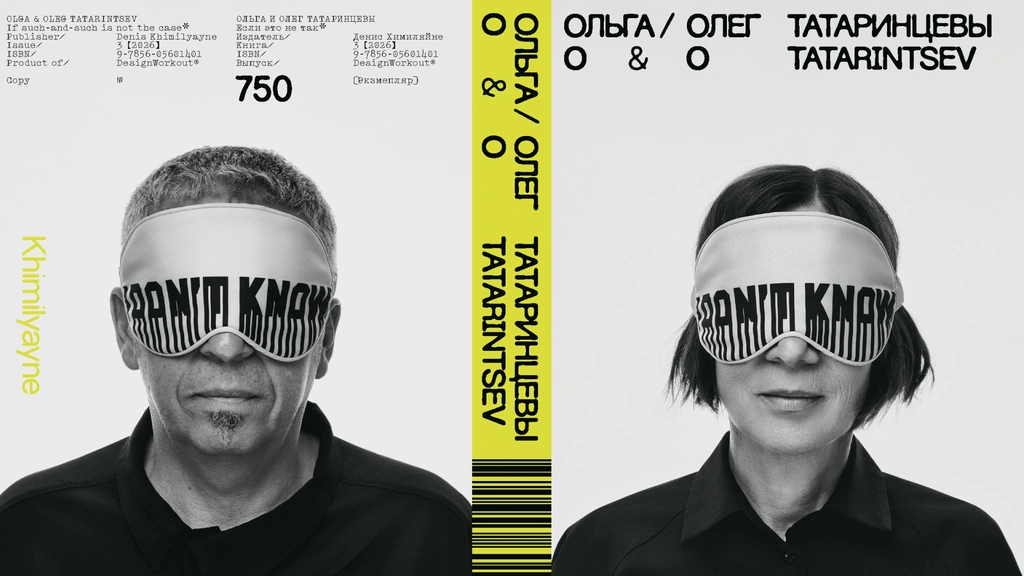
Non-commercial art project
Denis Khimilyayne"If This Is Not So" by Olga and Oleg Tatarentsev is the third book in Denis Khimilyayne's publishing program. Phrases by Wittgenstein, Beckett, Arendt, and Heidegger, torn from their contexts, come together in it to form a new paradoxical text.
Read more 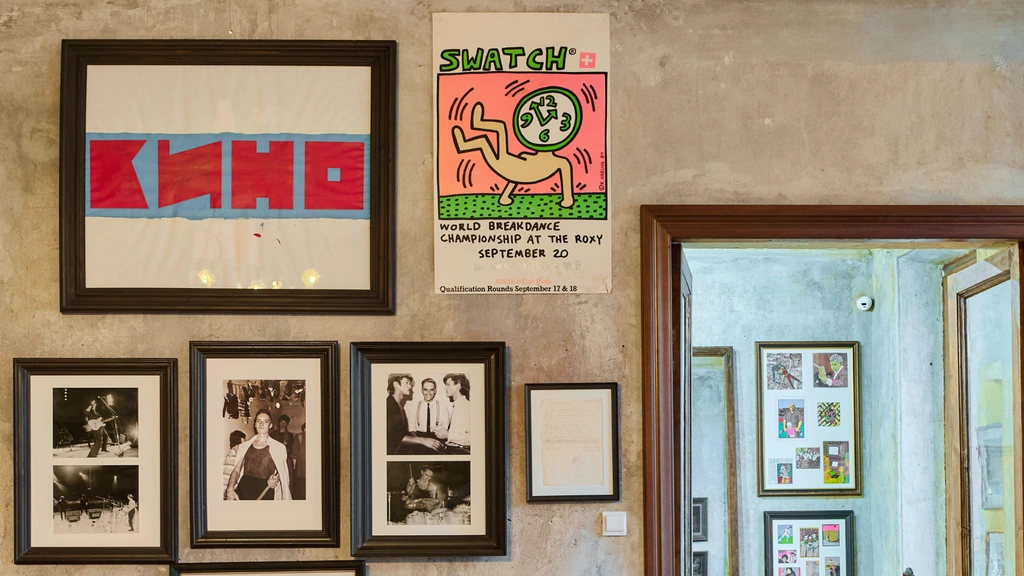
Non-commercial art project
Georgy Guryanov Museum-ApartmentThe Museum will showcase the "pearls" of its collection: works and museum objects by G. Guryanov, V. Tsoi, T. Novikov, A. Warhol, and K. Haring.
Read more 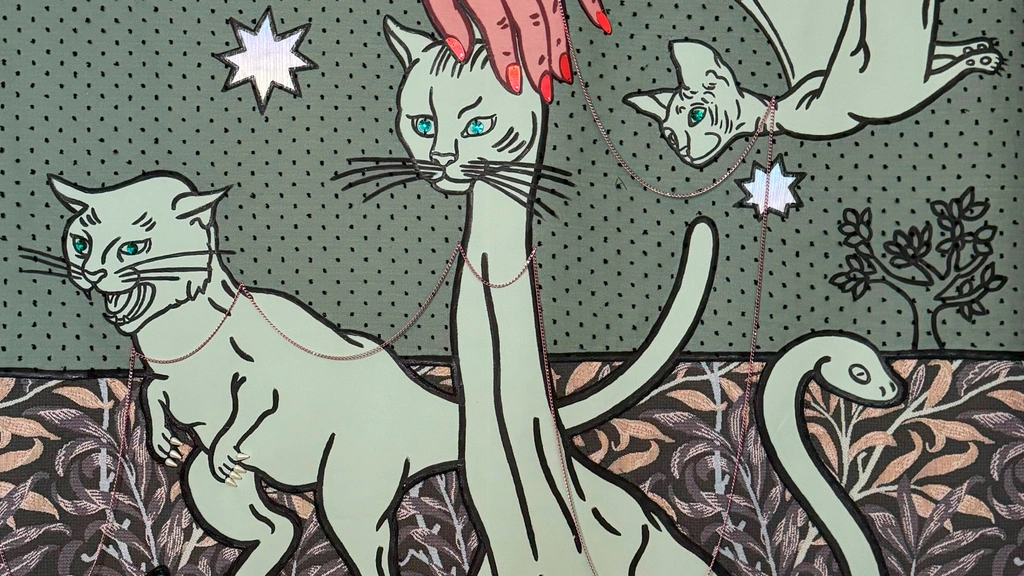
Non-commercial art project
New Collectors FoundationThe exhibition "Thorns, Roses, and the Best in Me" references the image of a fantastic garden and brings together artists who create mythopoetic worlds in which the tragic and the comic, pain and joy, beauty and ugliness coexist as parts of a single whole, reminding us of the dual nature of life.
Read more 
Non-commercial art project
un[pack]ingThis year, the unpacking will happen to the Sobo Gallery and to MARSHACK's (Dima Korolev) total installation "Bella and the Chumps".
Read more 
Charity projects
ORBI Stroke Foundation"Recovery Form" Stand is the result of a joint project by the British Higher School of Design, the ORBI Stroke Foundation, and Lamoda, focused on functional clothing.
Read more 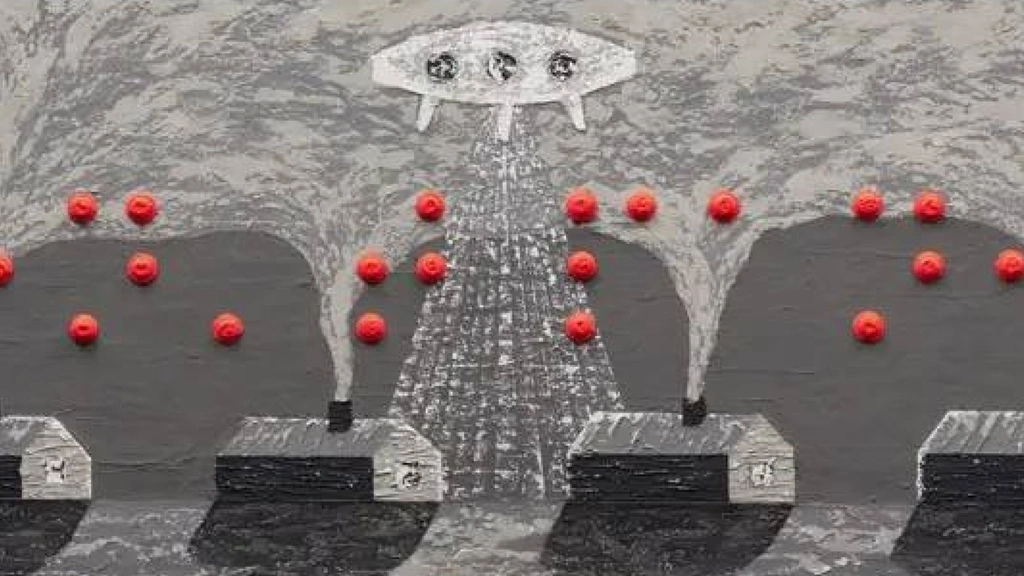
Charity projects
Art Project By TouchBy Touch is a project initiated by social entrepreneur Yulia Knyazhanskaya. It brings together deafblind beneficiaries of the Yaseneva Polyana Resource Center and contemporary artists working in various techniques and media.
Read more 
Partners' projectsBooth: Д01.1
SBER: GigaLounge spaceAt the Cosmoscow fair, Sber is presenting GigaLounge, a manifesto for the new synergy between art and technology.
Read more 
Partners' projectsBooth: А17
Sber Private LoungeSber Private Lounge is an intimate art lounge for Sber’s most premium clients, designed as a space for quiet conversation, personalized attention, and exploration of contemporary art.
Read more 


Partners' projectsBooth: А09
HUTTONThe company presents a joint installation with Viktor Polyakov. At the center of the object is an X, the Roman numeral ten, assembled from Fresnel lenses. The X unites architecture, art, and humanity in a single form. It becomes the symbol of a completed cycle and the point of transition to a new stage.
Read more 

Partners' projectsBooth: Н11
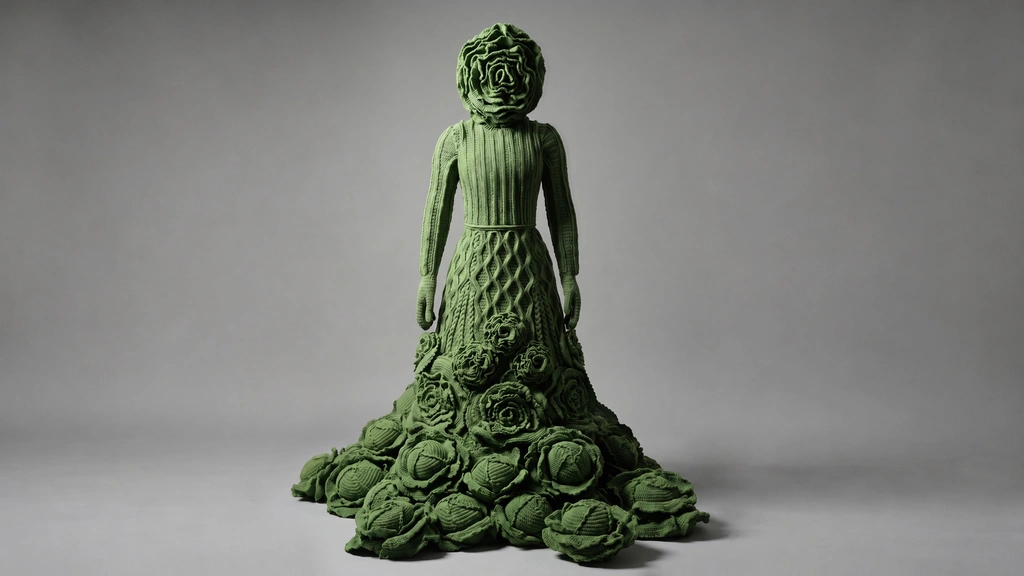
Azbuka VkusaAzbuka Vkusa presents a joint project with the ALENA AKHMADULLINA Fashion House. The familiar cabbage becomes the central character and source of inspiration. The fashion house’s designers transform this familiar object into an art object “Cabbage Maiden,” revealing a multi-layered image encompassing Russian tradition, abundance, transformation, and the ability to see art in the familiar.
Read more 
Partners' projectsBooth: А20
Konstantin ChaykinKonstantin Chaykin presents his Oriental Collection of fine and horological works, dedicated to animal images: panda, monkey, wolf, falcon, and tiger. The space is transformed into a living corner of Chaykin’s bestiary, tracing the origins of each Watch Archetype.
Read more 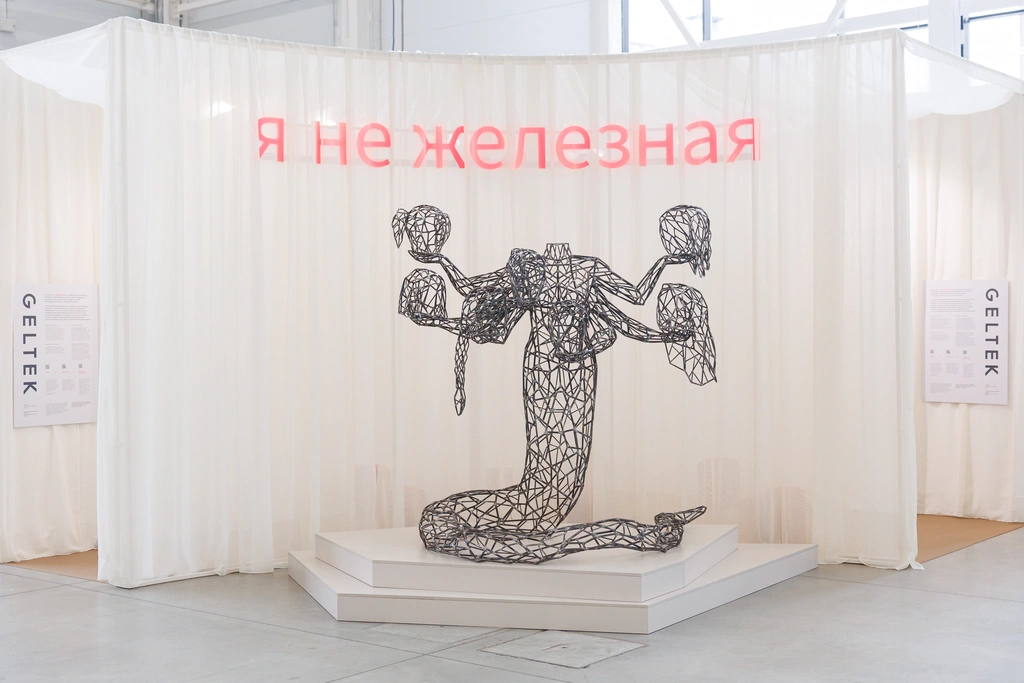
Partners' projectsBooth: А19
GeltekCosmetics company Geltek is presenting the project “I’m Not Made of Iron” at Cosmoscow. The exhibition unfolds from the exterior to the interior: on the outside is the steely, multi-armed goddess Weld Queen, rusting under the weight of endless roles; on the inside is Anastasia Ivanenkova’s embroidery, in which a woman reclaims her right to softness and care.
Read more 
Partners' projectsBooth: К15
MistralThe Mistral brand presents the mockumentary project “Artifact” in collaboration with Vova Perkin. The project explores a significant historical stage in human history: the transition to agriculture and the beginning of grain cultivation approximately 10,000–12,000 years ago. This event became one of the most significant in the biological and social history of our species.
Read more 
Partners' projectsBooth: А15
Chupa ChupsThe interactive art installation “Chupa Oracle” comes to life as viewers approach, providing a personalized answer to a question they may not yet have had time to ask themselves.
Read more 
Partners' projectsBooth: О08
KenguruThe concept of the space is built around the image of home, the first environment in which a child plays, imagines, explores the world, and expresses themselves. The centerpiece of the area is a soft kangaroo. The program includes educational masterclasses and creative activities dedicated to experimentation and introduction to various artistic techniques.
Read more 
Partners' projects
The Carlton, MoscowIn September, guests of The Carlton, Moscow will be able to view the 2021 video work “Rock Garden” from the private collection of Sergey Limonov, founder of the Limonov Art Foundation. The work was created by Vasily Kononov-Gredin.
Read more 
Partners' projects
Blessed MessThe stand’s visual image alludes to a garage, a space where art coexists with everyday objects and artifacts of informal culture. This environment becomes a metaphor for how something new and meaningful emerges not in a sterile space, but rather from the underground where the gaze of the majority has not yet been directed, and where phenomena are formed that lie outside the boundaries of conventional notions of culture and social norms.
Read more 
Partners' projects
SberInsuranceSberInsurance is the official Insurance Partner of the 14th Cosmoscow International Contemporary Art Fair. The company provides insurance coverage for artworks presented at the fair, supporting galleries, artists, and collectors. Works insured by SberInsurance are marked with a special “Protected by SberInsurance” label.
Read more 
Mediaforum
A Literary Performance-Tour of the New Issue of Pravila Zhizni03 September 2026 17:00 - 18:00
As part of Cosmoscow, the publication’s Content Director Grigory Tumanov, together with actors Elizabet Damsker, Alexey Onezhny and Pelageya Nevzorova, will present a performance reading that will offer a deeper immersion into the new issue of Pravila Zhizni and explore questions of standardization and individualism through the lens of contemporary research and world classics.
Read more 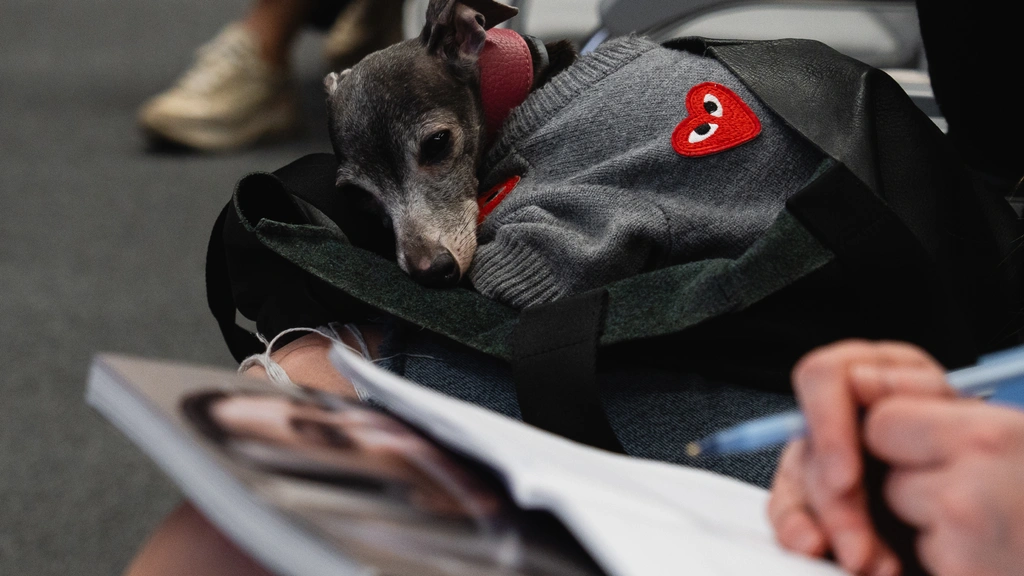
Mediaforum
How do young galleries shape the new audience of the art scene?04 September 2026 14:30 - 15:30
Contemporary galleries are increasingly becoming the first point of entry into art for a new generation of viewers and collectors. Their work goes beyond representing artists: ways of communicating, formats of engaging with audiences, and approaches to building interest in art are all changing.
Read more 
Partners' projects
MONTAZHNIKMONTAZHNIK, in collaboration with INTERVALS, presents a process in which artistic work emerges between a material surface and a technological attempt to manifest it.
Read more 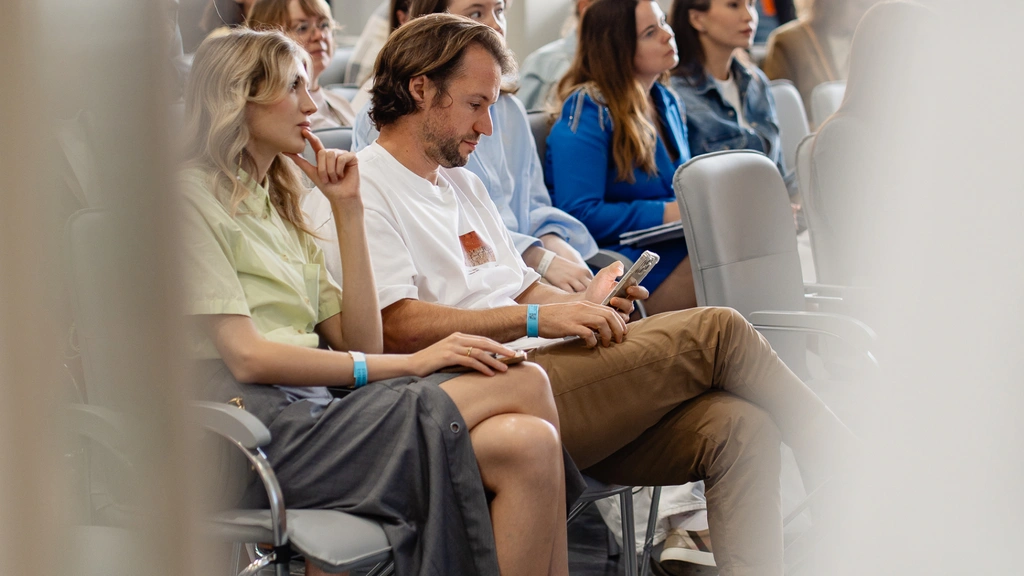
Mediaforum
Visionary work as a profession: how to spot the next big trend?04 September 2026 16:00 - 17:00
In the art market, the ability to spot a promising artist, a new direction, or a shift in audience interest before they become obvious to the majority is particularly valued. But what is this skill based on—experience, visual literacy, intuition, or analysis?
Read more 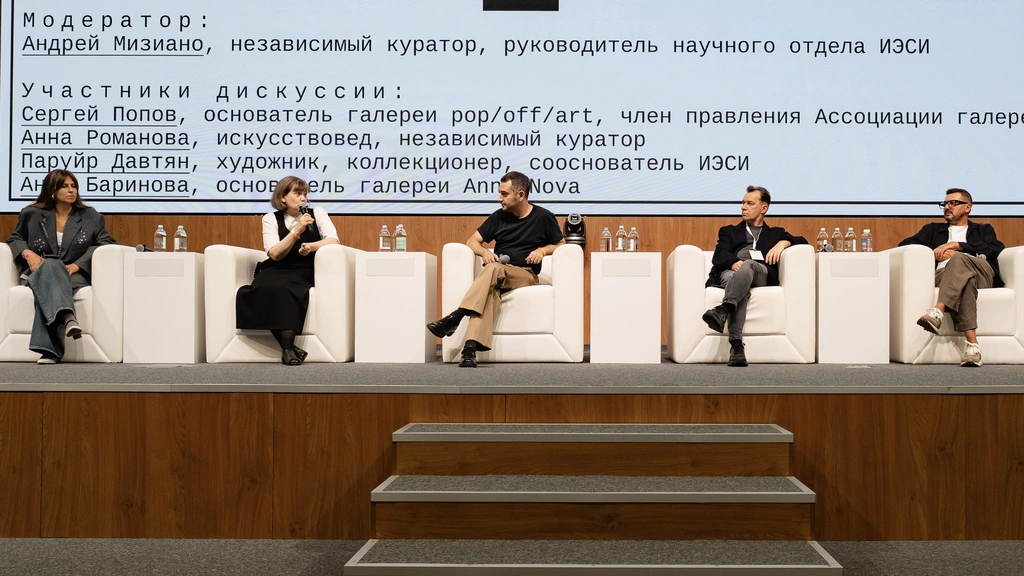
Lecture Series
Galleries, Fairs and Museums: Paths of Patronage05 September 2026 13:00 - 14:00
The expansion of museum collections through private philanthropy is one of the most promising yet least systematically explored practices in the Russian art market. Cosmoscow has developed unique expertise in this area through the Museum of the Year Award and its work with cultural institutions. In 2026, the Association of Galleries is launching systematic research aimed at developing a culture of collecting and building bridges of cooperation with museum institutions.
Read more 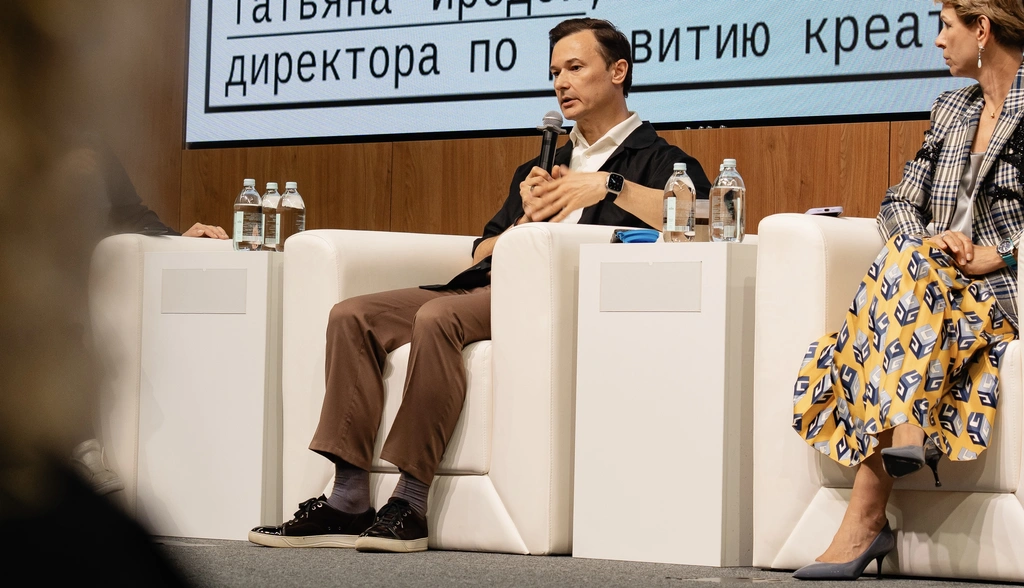
Lecture Series
Reviving Traditional Crafts: From Preserving Heritage to Developing Territories05 September 2026 14:30 - 15:30
The revival of traditional crafts is important for the state, as they protect cultural identity, strengthen the economy through the development of tourism and small businesses, and pass unique traditional skills on to new generations.
Today, experts consider the revival of traditional crafts a resource for the innovative development of tourism, culture and education, as well as for accumulating symbolic capital and creating a holistic and aesthetically shaped picture of the world.
Read more 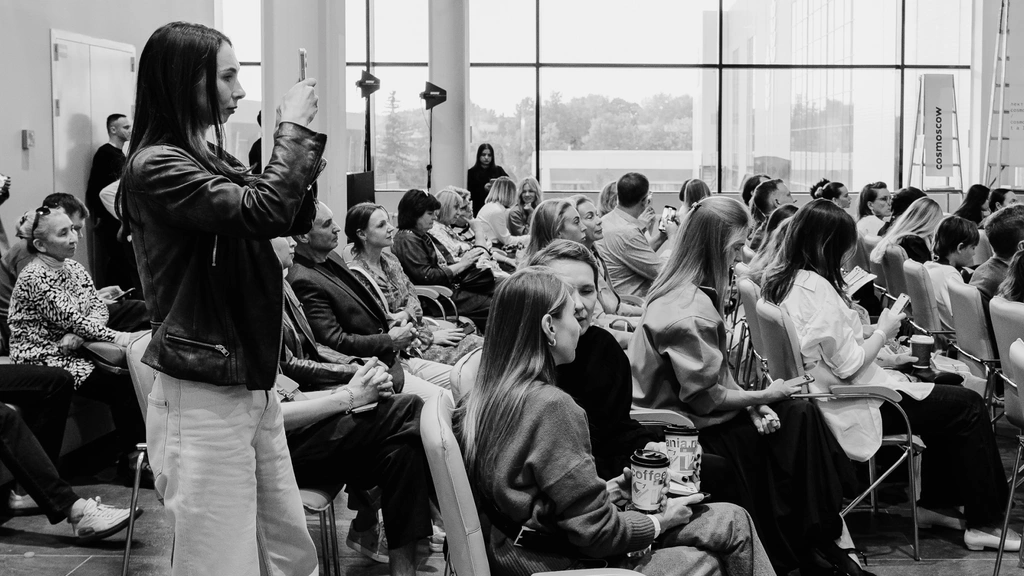
Mediaforum
AGA: Art in Numbers—Why Does the Art Market Need Analytics?04 September 2026 18:00 - 19:00
The Russian art market is at a stage where the need for systematic research is becoming increasingly evident. However, unified approaches to data collection, analysis, and interpretation are only just beginning to take shape.
Read more 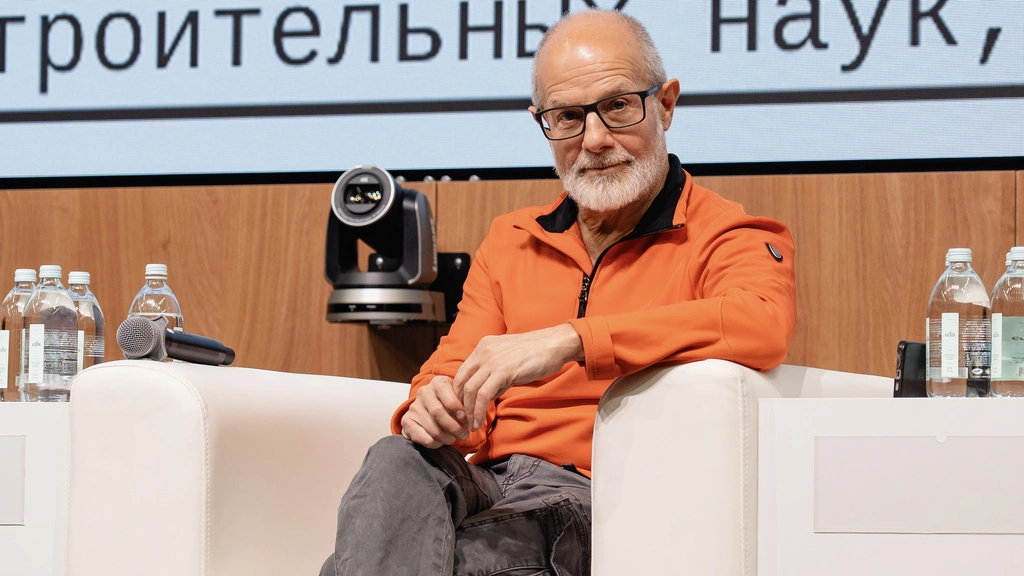
Lecture Series
A Conversation Between Denis Khimilyaine and Dmitry Gutov. Can You Make Money from Poverty? The Market as an Illusion: Investing in Art05 September 2026 16:00 - 17:30
Can Russian contemporary art be considered an investment at all? Why is a Russian artist often worth many times less than a comparable Western artist—is the artist undervalued, or simply worth that much? What needs to happen for an artist’s price to increase? And most importantly, if the price does go up, who will buy the work afterwards?
Read more 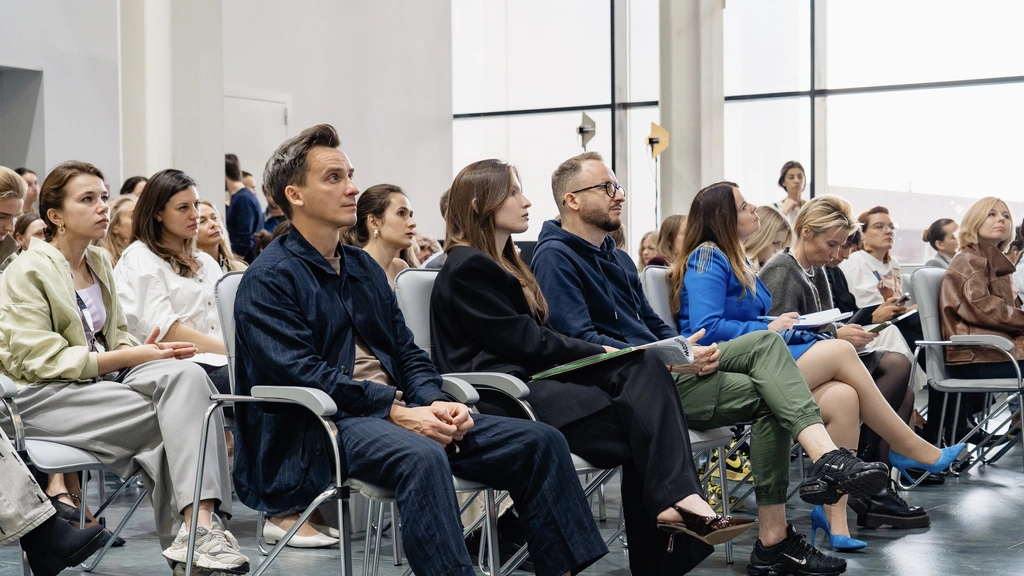
Mediaforum
Into the Future Through Tradition: How and Why Contemporary Art Reinterprets Cultural Heritage05 September 2026 12:30 - 13:30
The discussion explores how contemporary art engages with the past and tradition—not only by preserving cultural heritage, but also by transforming it into a source of new meanings and ideas. The participants will discuss where the boundary lies between preservation and reinterpretation, artistic and scholarly approaches, and how these themes are reflected in the works of artists presented at Cosmoscow.
Read more 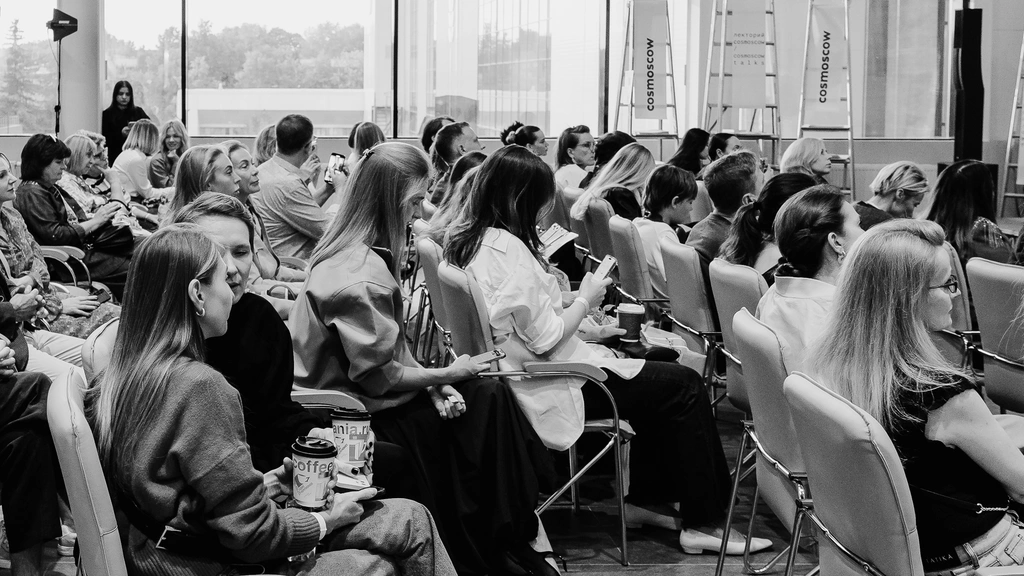
Mediaforum
How is the language of collectible design changing?05 September 2026 14:00 - 15:00
Collectible design evolves alongside changing perceptions of the object, space, and ways of interacting with objects. What themes and approaches are shaping the direction today?
Read more 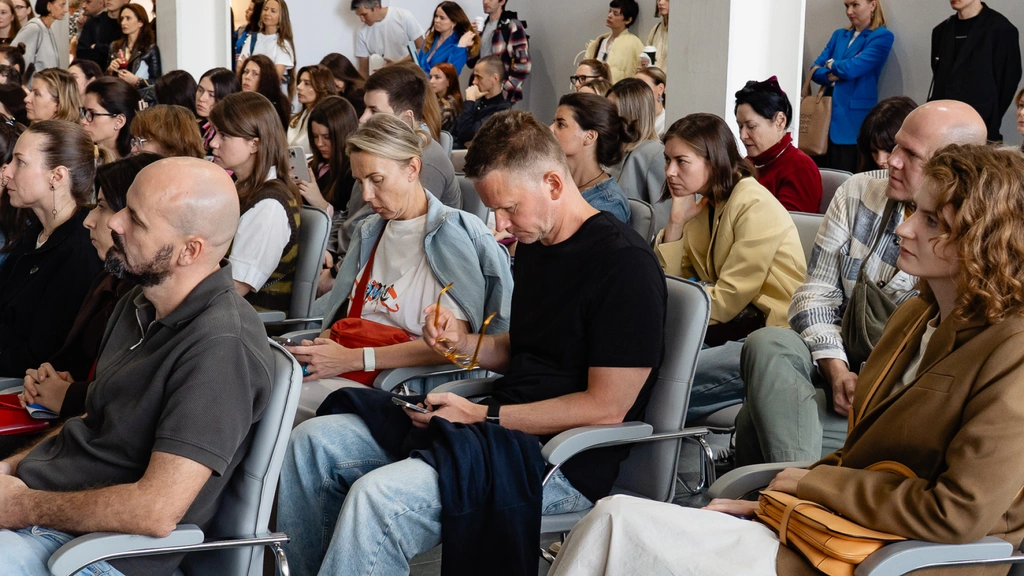
Mediaforum
Masters: Why Businesspeople Turn to Art: Collecting, Patronage, and Cultural Capital05 September 2026 16:00 - 17:00
Why do entrepreneurs start investing in art? How does collecting become part of personal and corporate strategy?
Read more 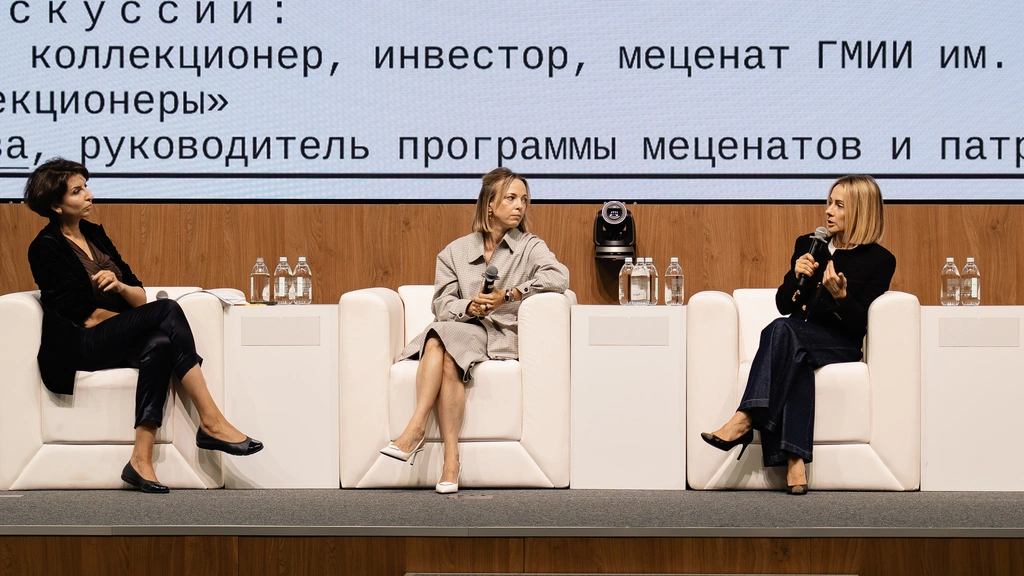
Lecture Series
I/We: The Ethics of Co-Creation and the Balance of Roles05 September 2026 18:00 - 19:00
How are relationships built between contemporary artists and local craft communities? Who owns the rights to the resulting works: the “artist” or the artisan who executes them? These and many other questions surrounding co-creation and (self-)positioning will be at the heart of the discussion.
Read more 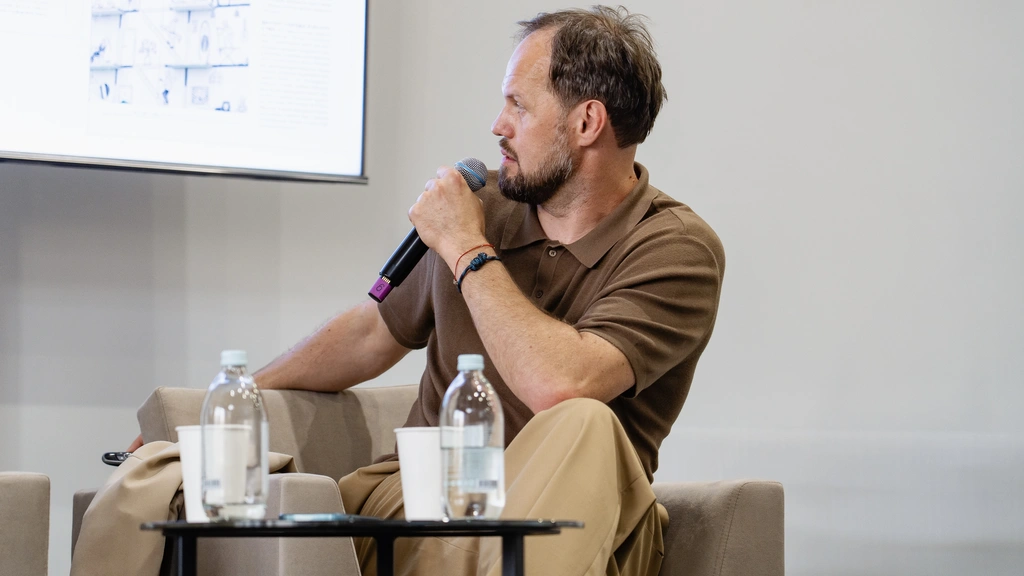
Mediaforum
The Future of Design: A Discussion and Presentation of the New INTERIOR+DESIGN Project Celebrating the Publication’s 30th Anniversary05 September 2026 18:00 - 19:00
Design today means much more than applied solutions. It is the materialization of expectations that reflect—and sometimes anticipate—structural changes in society. In this discussion about the future, experts will share their thoughts and predictions on how we can look towards the future of design with optimism.
Read more 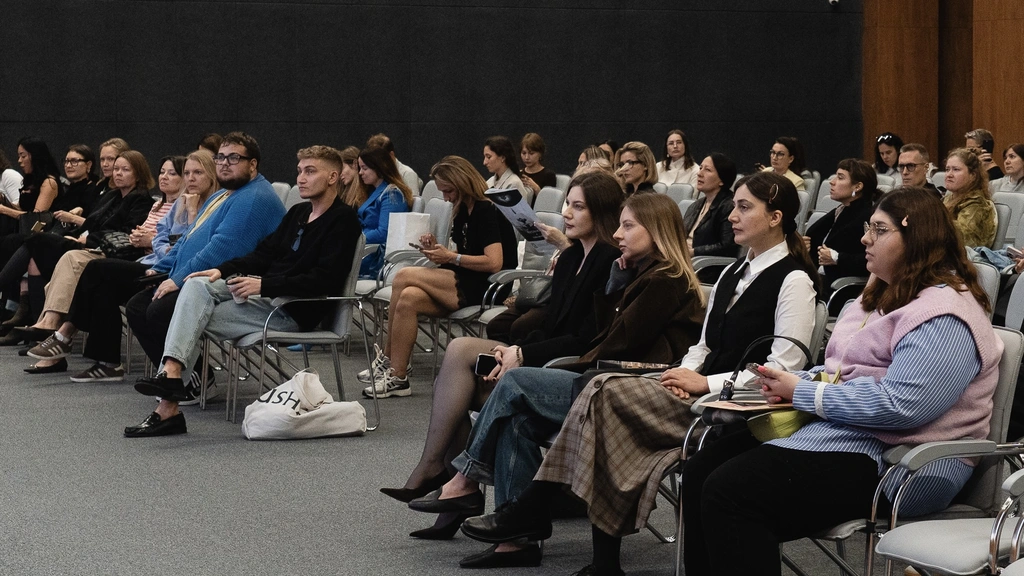
Lecture Series
Techniques and Traditions: When a Place Suggests the Language to Speak About It06 September 2026 13:00 - 14:00
A conversation with artists about how traditional techniques can help us get to know a place and how artist residencies can contribute to this process.
Read more 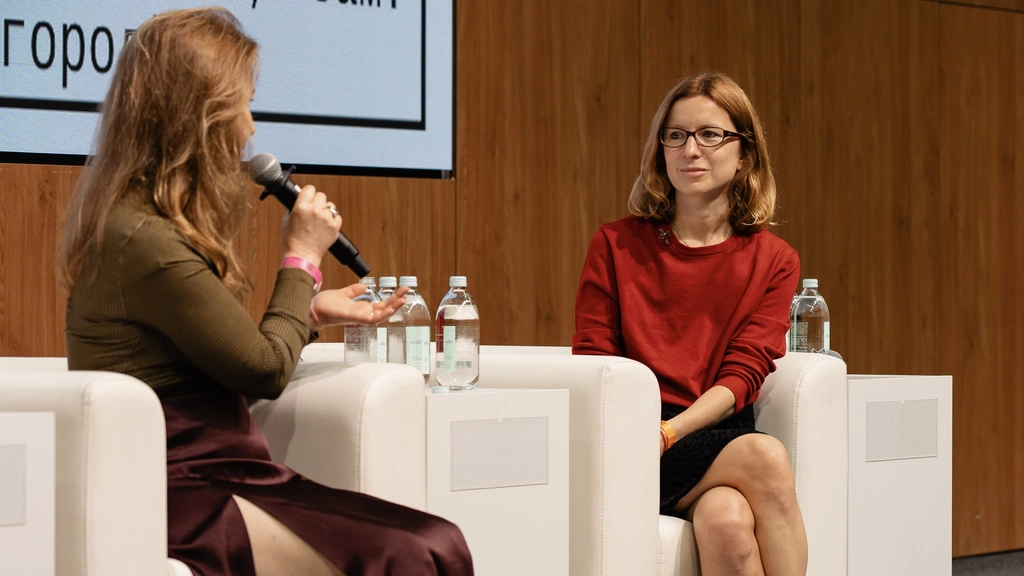
Lecture Series
Estate, Dacha, Residency: Local Crafts as Symbolic Capital06 September 2026 16:00 - 17:00
Projects focused on restoring cultural heritage sites and adapting them to contemporary life increasingly turn to the search for or creation of a “local identity” that enhances recognition and builds symbolic capital. The revival of craft workshops, engagement with historical context and the memory of a place, the preservation of tangible and intangible heritage, and the organisation of artist residencies are among the key issues facing the teams behind such projects.
Read more 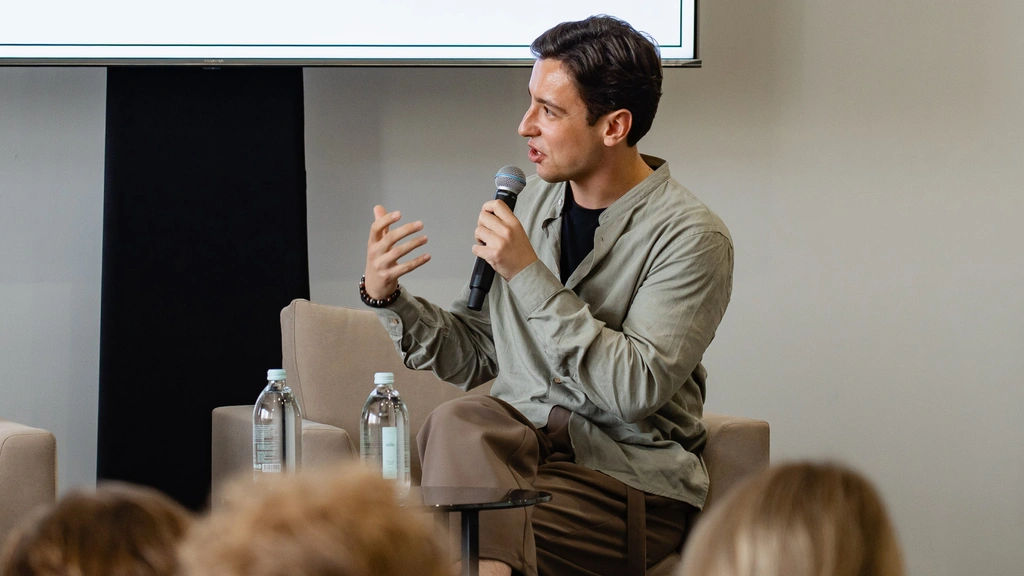
Mediaforum
Cultural Immunity: How Art Prolongs an Active Life06 September 2026 12:30 - 13:30
How do art and the cultural environment influence a person's quality of life? Can participation in creative practices and cultural life support psychological well-being and activity in older age?
Read more 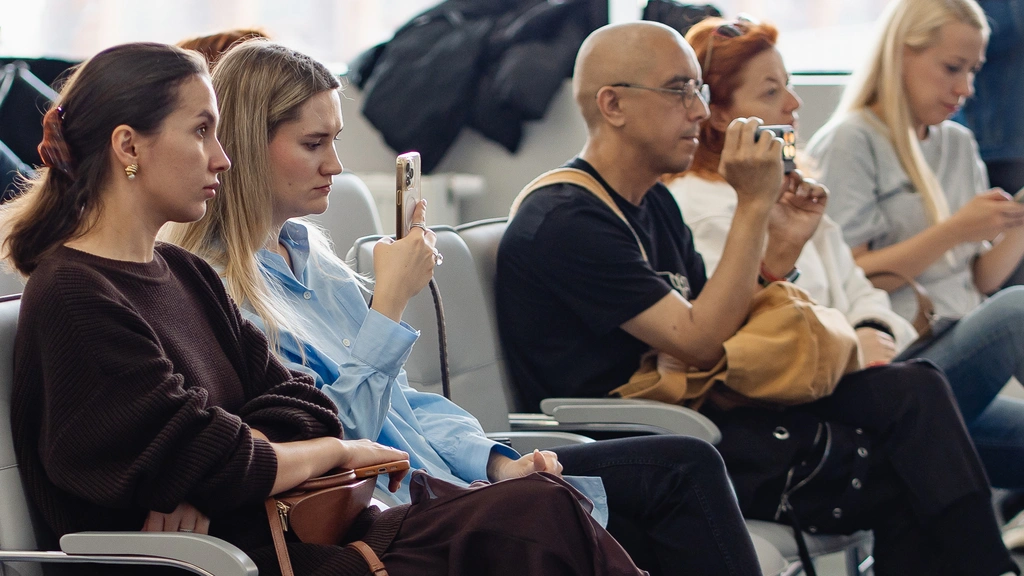
Mediaforum
Masters: The Artist's Book — A New Collectible06 September 2026 14:00 - 15:00
What turns a book into a work of art and a collectible object in its own right?
Read more 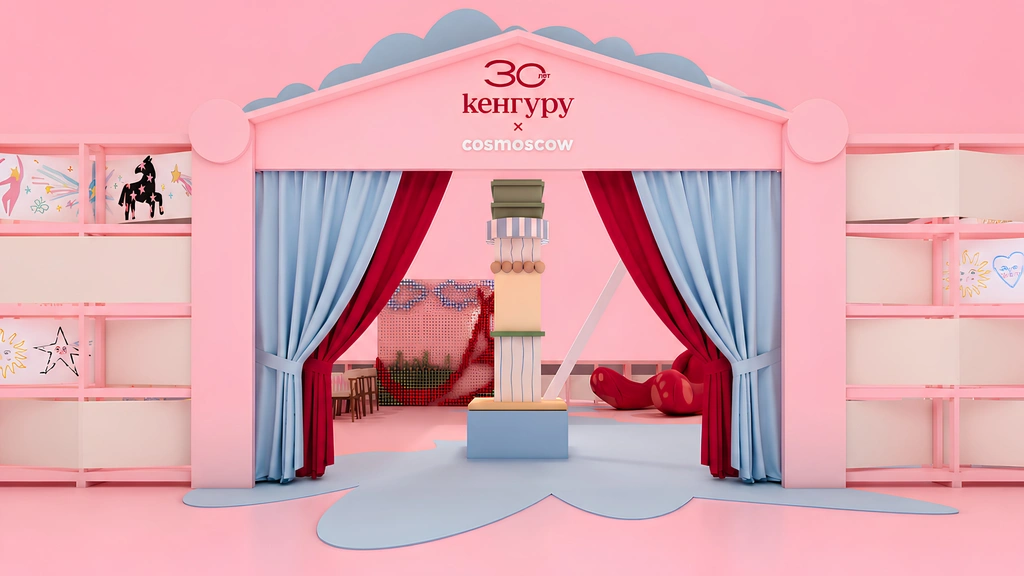
Cosmoscow KidsBooth: O08
Cosmoscow Kids. September 4th04 September 2026 11:00 - 20:00
View the schedule of creative workshops
Read more 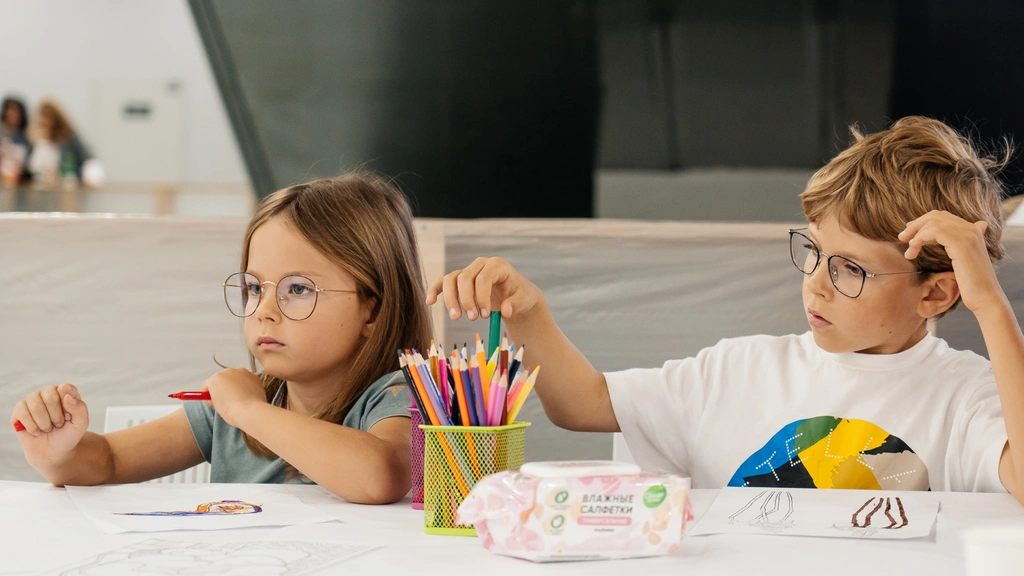
Mediaforum
Art Through a Child's Eyes: How to Talk to Children About Contemporary Art06 September 2026 16:00 - 17:00
How do you prepare for a museum visit, what do you do if a child gets bored, and where is the line between an educational conversation and imposing the "correct" reading?
Read more 
