Program
Lecture Series
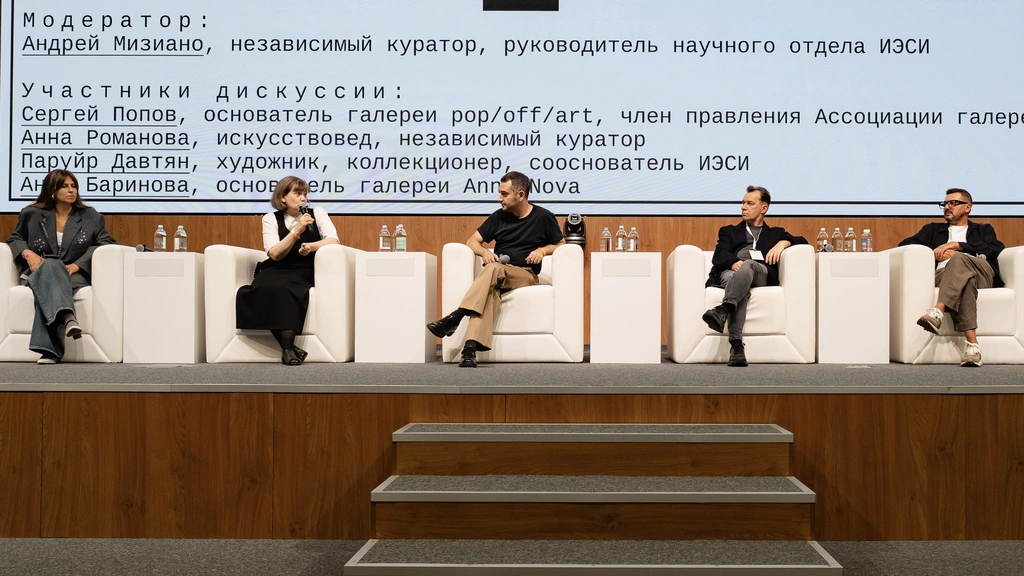
Galleries, Fairs and Museums: Paths of Patronage05 September 2026 13:00 - 14:00
The expansion of museum collections through private philanthropy is one of the most promising yet least systematically explored practices in the Russian art market. Cosmoscow has developed unique expertise in this area through the Museum of the Year Award and its work with cultural institutions. In 2026, the Association of Galleries is launching systematic research aimed at developing a culture of collecting and building bridges of cooperation with museum institutions.
Read more 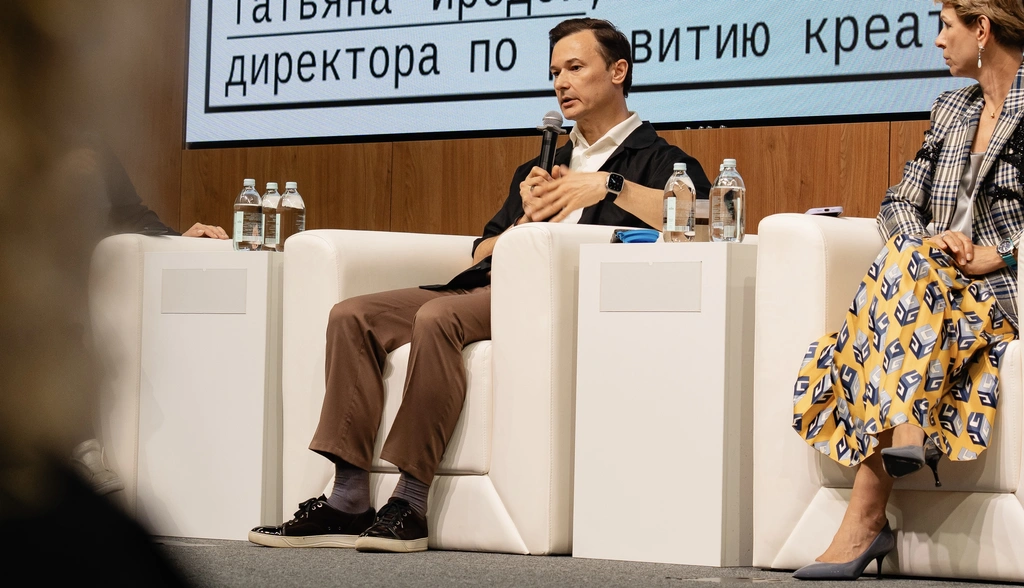
Lecture Series
Reviving Traditional Crafts: From Preserving Heritage to Developing Territories05 September 2026 14:30 - 15:30
The revival of traditional crafts is important for the state, as they protect cultural identity, strengthen the economy through the development of tourism and small businesses, and pass unique traditional skills on to new generations.
Today, experts consider the revival of traditional crafts a resource for the innovative development of tourism, culture and education, as well as for accumulating symbolic capital and creating a holistic and aesthetically shaped picture of the world.
Read more 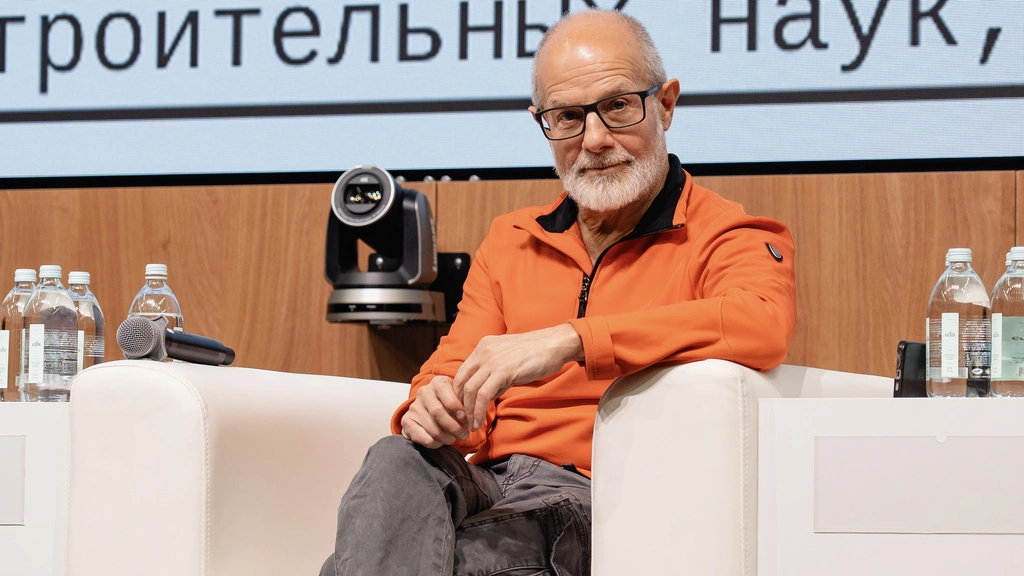
Lecture Series
A Conversation Between Denis Khimilyaine and Dmitry Gutov. Can You Make Money from Poverty? The Market as an Illusion: Investing in Art05 September 2026 16:00 - 17:30
Can Russian contemporary art be considered an investment at all? Why is a Russian artist often worth many times less than a comparable Western artist—is the artist undervalued, or simply worth that much? What needs to happen for an artist’s price to increase? And most importantly, if the price does go up, who will buy the work afterwards?
Read more 
Mediaforum
Into the Future Through Tradition: How and Why Contemporary Art Reinterprets Cultural Heritage05 September 2026 12:30 - 13:30
The discussion explores how contemporary art engages with the past and tradition—not only by preserving cultural heritage, but also by transforming it into a source of new meanings and ideas. The participants will discuss where the boundary lies between preservation and reinterpretation, artistic and scholarly approaches, and how these themes are reflected in the works of artists presented at Cosmoscow.
Read more 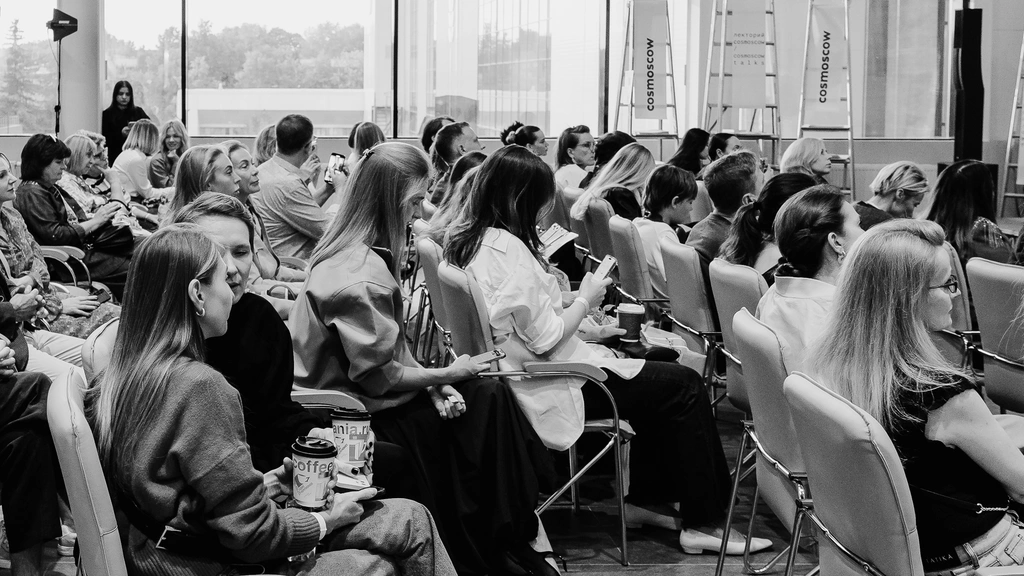
Mediaforum
How is the language of collectible design changing?05 September 2026 14:00 - 15:00
Collectible design evolves alongside changing perceptions of the object, space, and ways of interacting with objects. What themes and approaches are shaping the direction today?
Read more 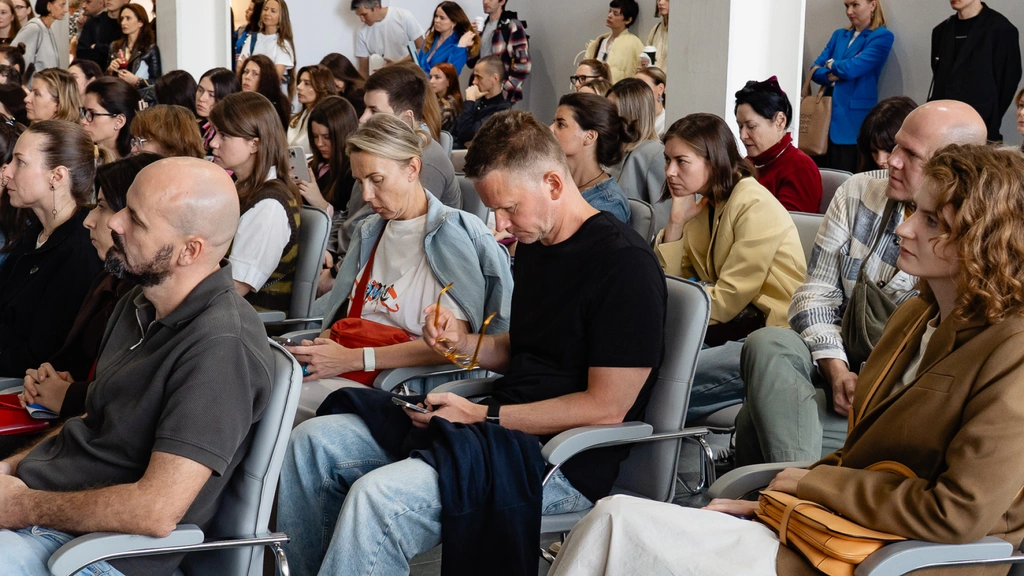
Mediaforum
Masters: Why Businesspeople Turn to Art: Collecting, Patronage, and Cultural Capital05 September 2026 16:00 - 17:00
Why do entrepreneurs start investing in art? How does collecting become part of personal and corporate strategy?
Read more 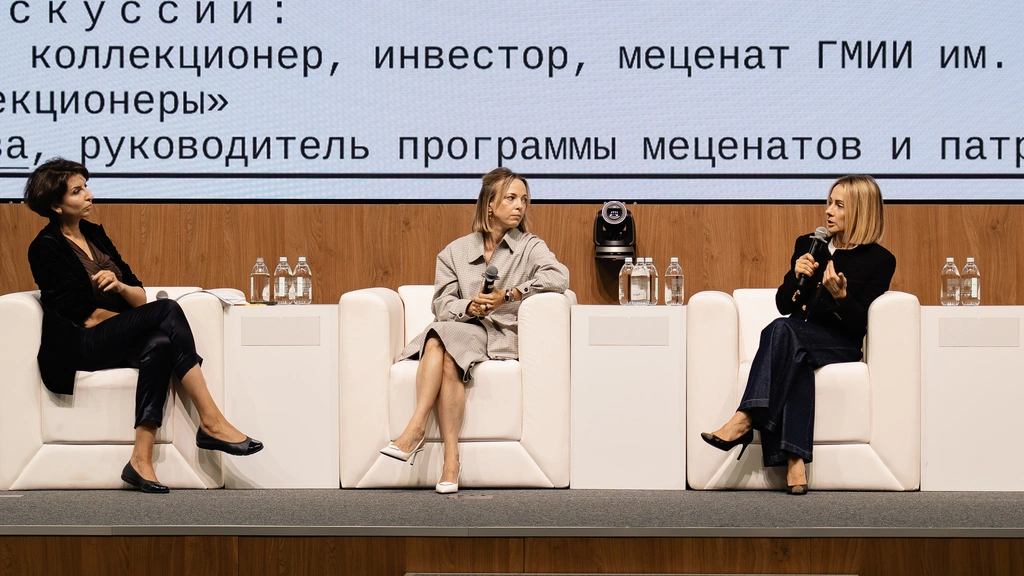
Lecture Series
I/We: The Ethics of Co-Creation and the Balance of Roles05 September 2026 18:00 - 19:00
How are relationships built between contemporary artists and local craft communities? Who owns the rights to the resulting works: the “artist” or the artisan who executes them? These and many other questions surrounding co-creation and (self-)positioning will be at the heart of the discussion.
Read more 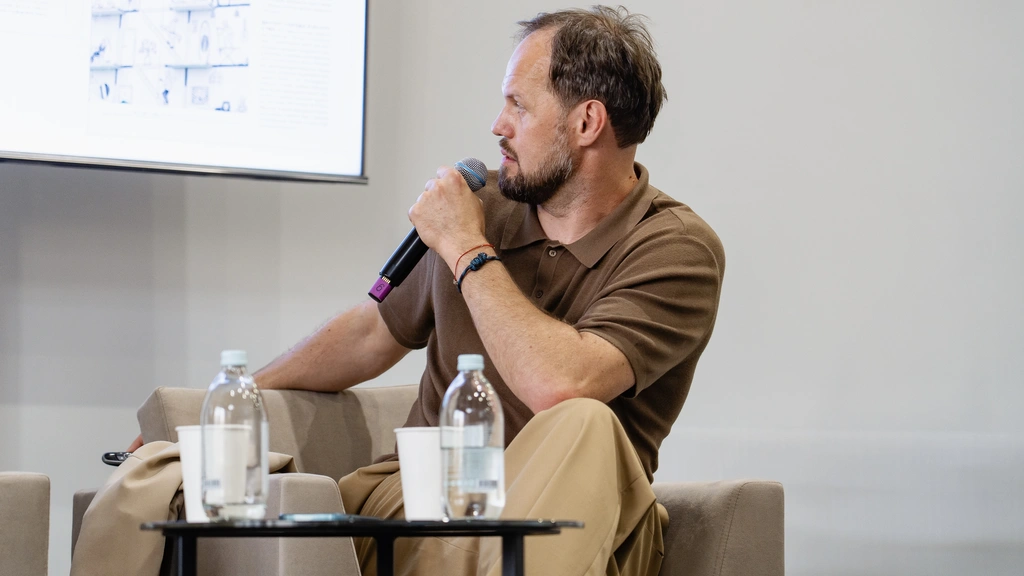
Mediaforum
The Future of Design: A Discussion and Presentation of the New INTERIOR+DESIGN Project Celebrating the Publication’s 30th Anniversary05 September 2026 18:00 - 19:00
Design today means much more than applied solutions. It is the materialization of expectations that reflect—and sometimes anticipate—structural changes in society. In this discussion about the future, experts will share their thoughts and predictions on how we can look towards the future of design with optimism.
Read more 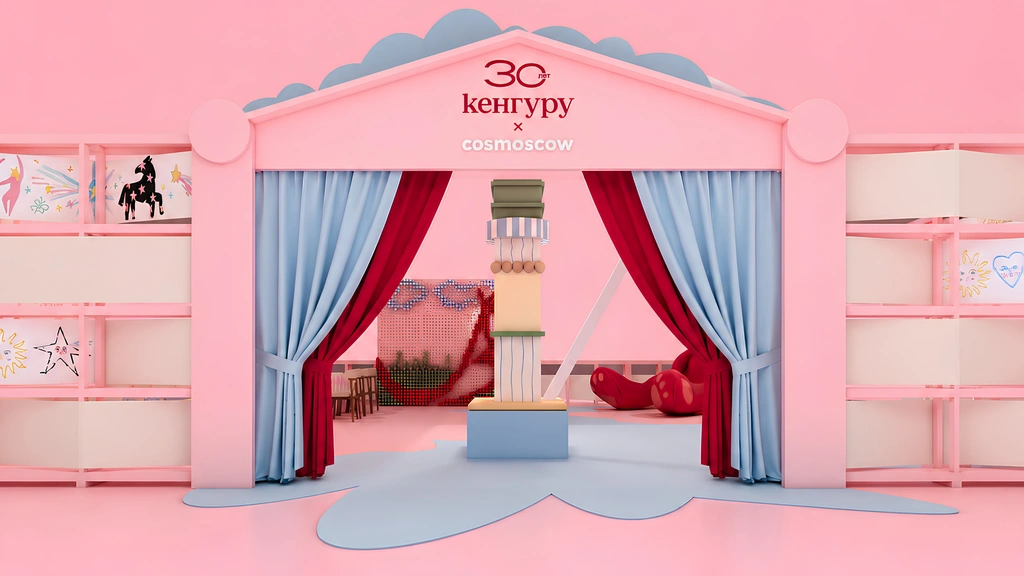
Cosmoscow KidsBooth: O08
Cosmoscow Kids. September 5th05 September 2026 11:00 - 20:00
View the schedule of creative workshops
Read more 
